
ISMED-CLIM and IHMT NOVA’s Open Day: Connecting Climate, One Health and Zoonotic Disease Prevention
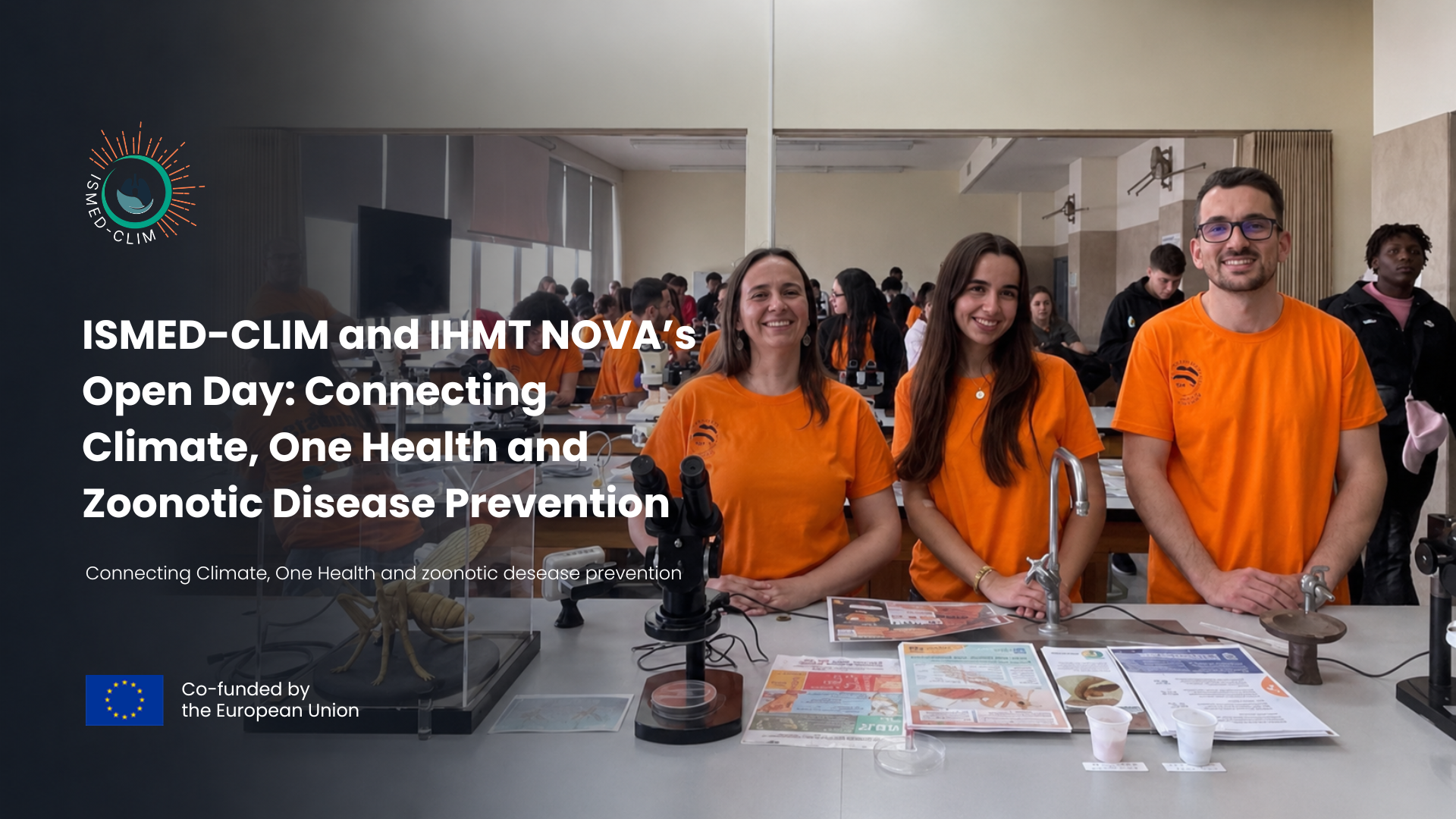
On 8 May 2026, the Instituto de Higiene e Medicina Tropical of Universidade NOVA de Lisboa (IHMT NOVA) held its Open Day in Lisbon. The event invited participants to learn more about IHMT NOVA’s work in global health and tropical medicine, including its research activities, clinical services, laboratories, museum, library and educational programmes. The programme also included practical experiences, guided visits and interaction with researchers.
The event provided a relevant setting to connect public engagement with the work of ISMED-CLIM, particularly the project’s activities in Portugal under Living Lab 4 (LL4), which focuses on zoonotic diseases. Within ISMED-CLIM, LL4 is located in Lisbon and addresses climate-sensitive vector-borne diseases, with a specific focus on leishmaniasis.
As climate change affects environmental conditions across the Mediterranean region, it can also influence the presence, distribution and activity of disease vectors, such as sand flies. ISMED-CLIM responds to this challenge through a One Health approach, linking environmental factors with human and animal health.
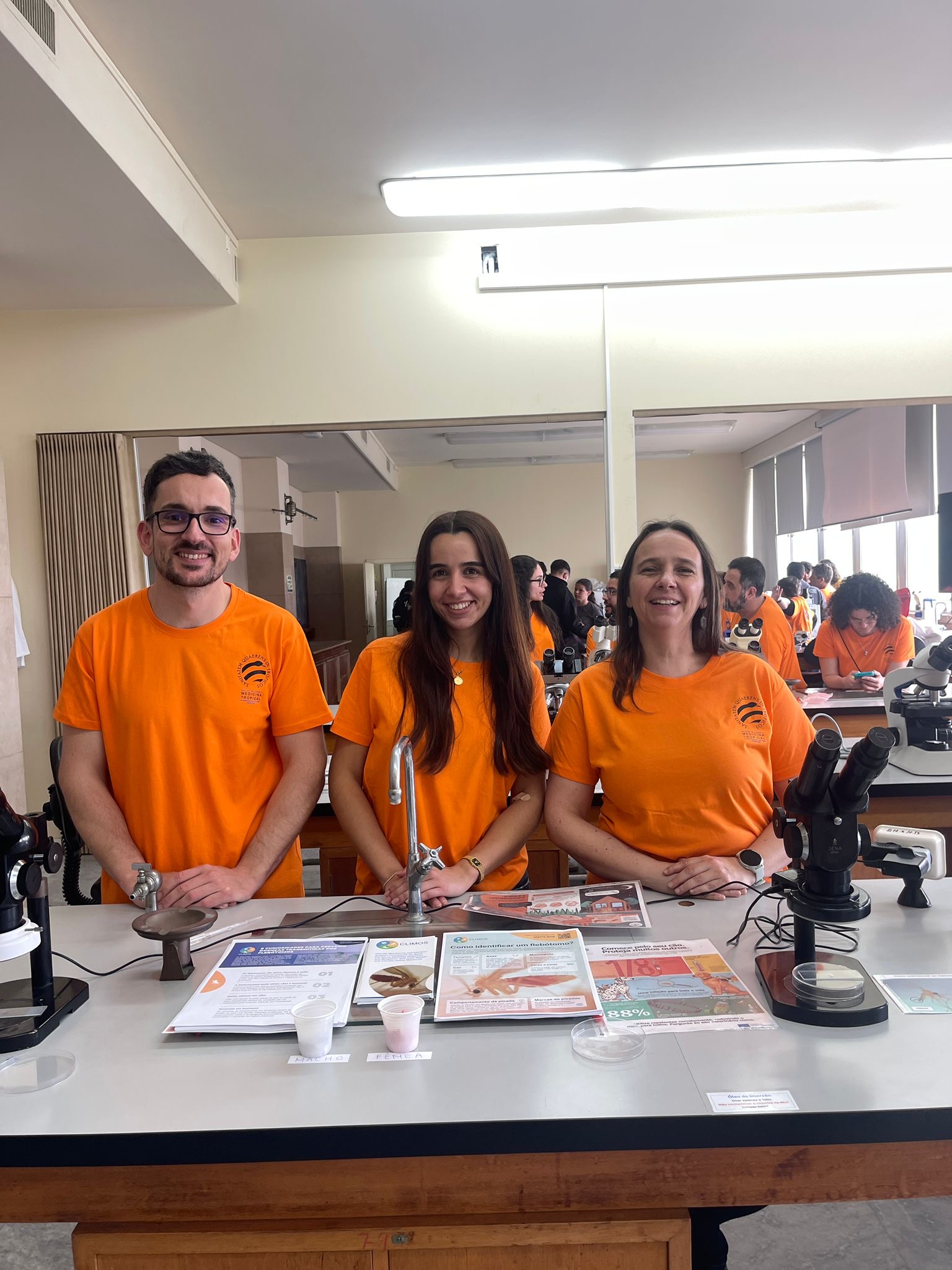
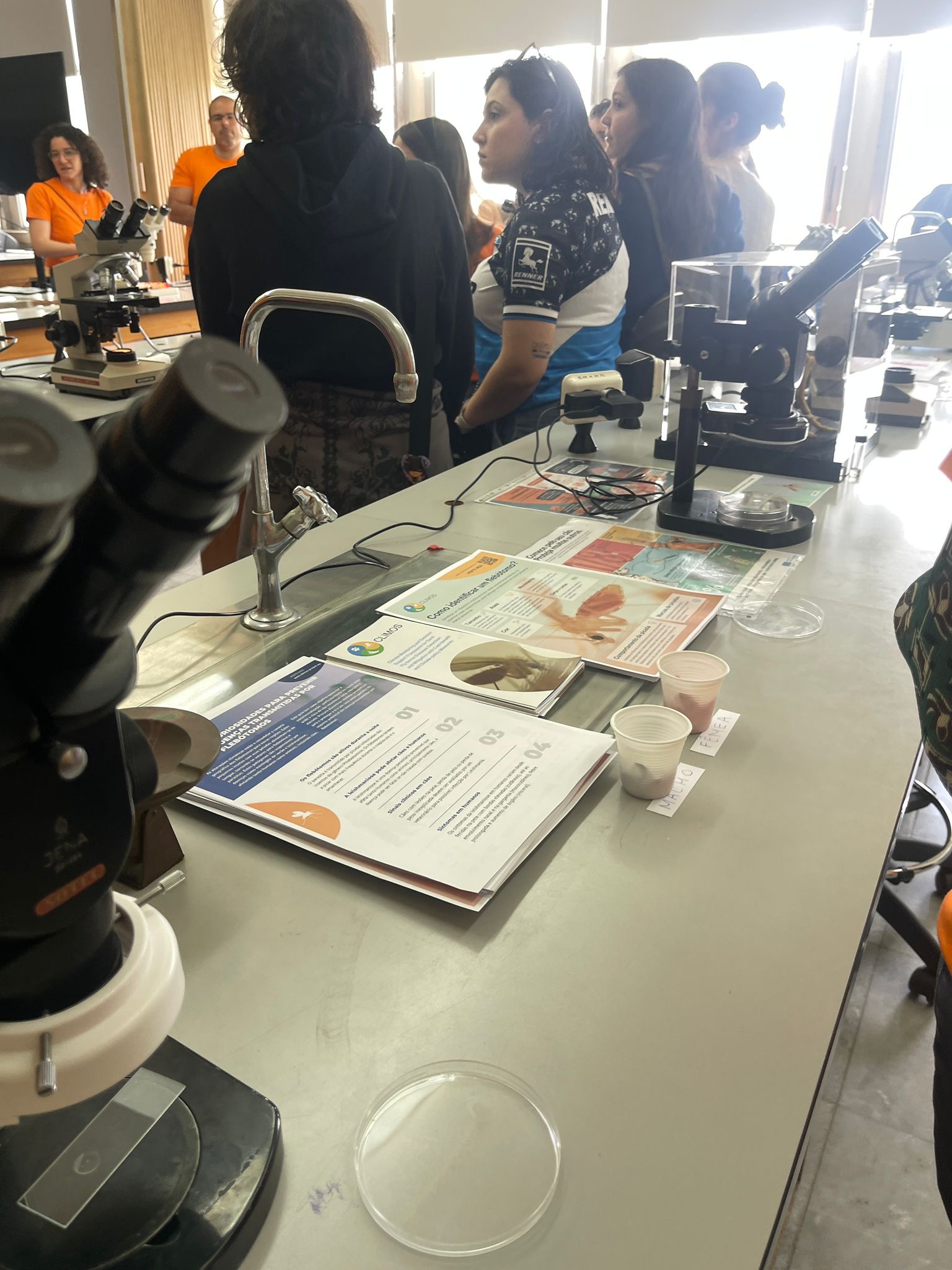
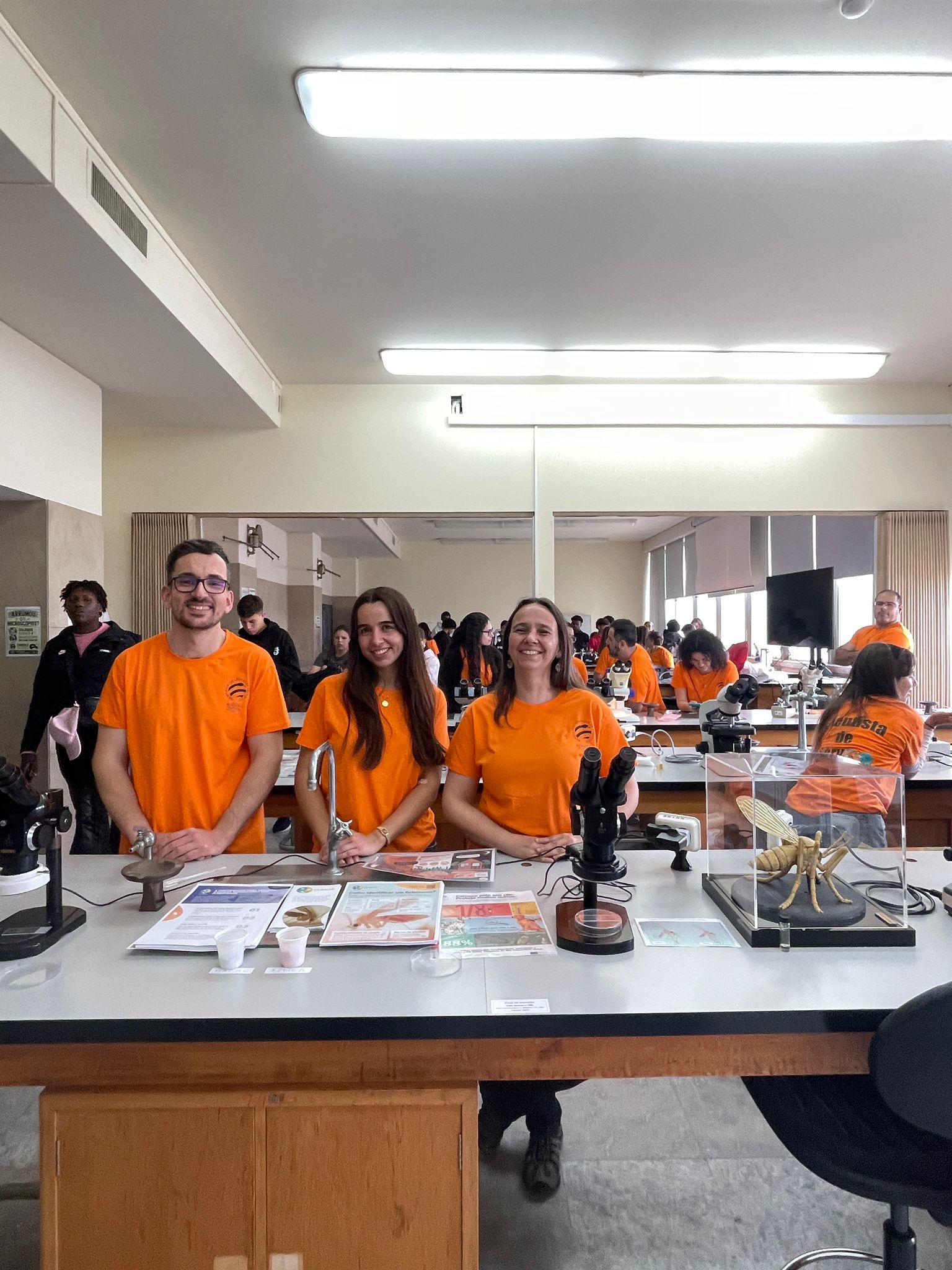
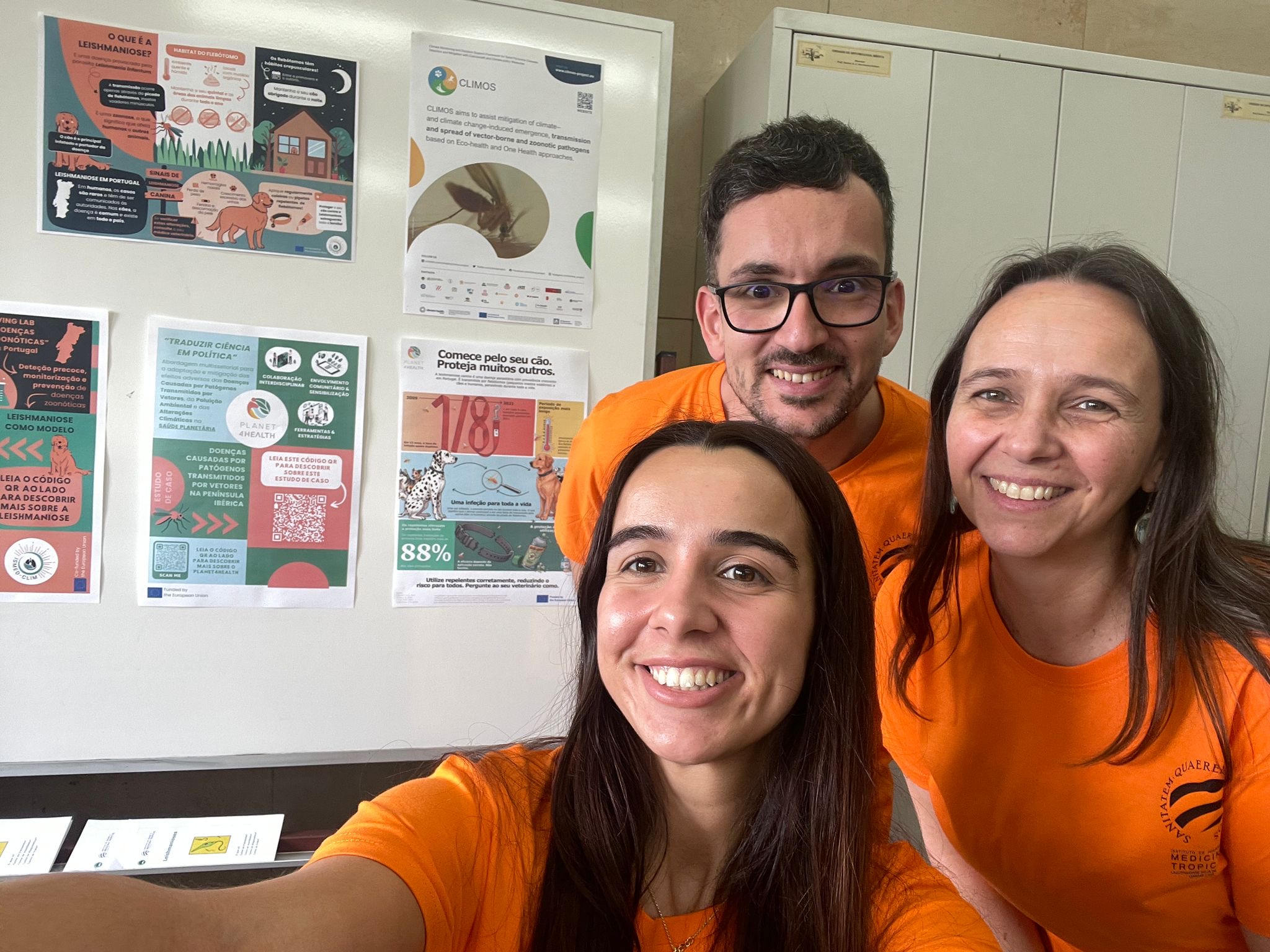
In Lisbon, ISMED-CLIM’s LL4 work focuses on the feasibility and acceptance of an Early Warning and Response System and evidence-based preventive interventions against leishmaniasis. The Living Lab involves dog caregivers and other stakeholders, such as veterinary professionals. This work supports better awareness, prevention and preparedness in relation to climate-sensitive vector-borne diseases.
By connecting the themes of the IHMT NOVA’s Open Day with ISMED-CLIM’s LL4 activities, the project contributes to a wider dialogue on how climate change can affect health in the Mediterranean region. It also helps bring research closer to professionals, students and the wider public, supporting better understanding of prevention, preparedness and One Health-based responses to zoonotic diseases.